12 hectares
Current operating footprint at the Port of Abidjan.
Port-based cold-chain and export logistics platform
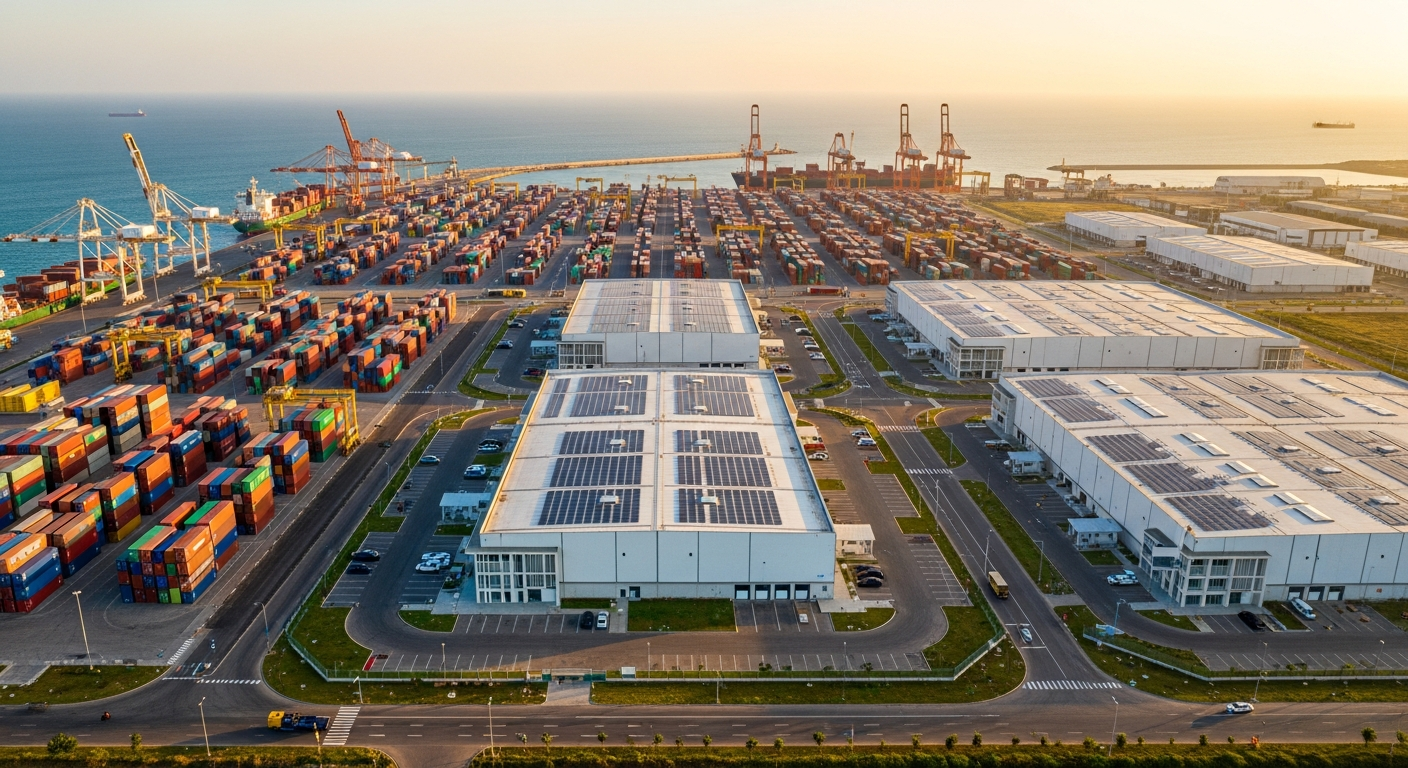
Located at the Port of Abidjan, IPF Commercial and Logistics Park spans 12 hectares and integrates cold storage, fast-freezing, warehousing, and office operations into one high-standard logistics ecosystem.
Designed to support seafood importation and cashew exportation with reliable execution, regional reach, and industrial-grade logistics capability across West and Central Africa.
IPF Commercial and Logistics Park
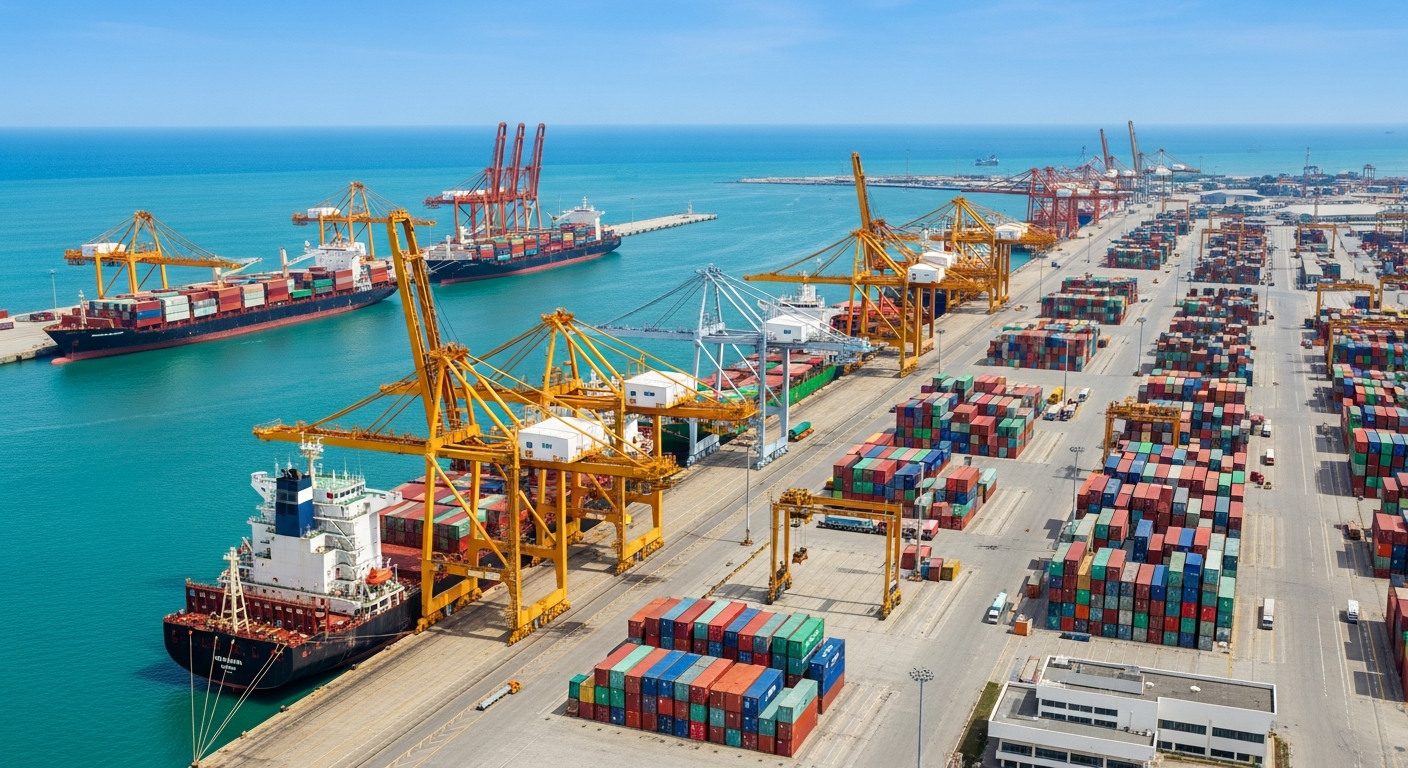
Located beside the Port of Abidjan along the Vridi Bay Lagoon, the park is positioned to become a next-generation logistics center connecting African trade flows with international markets.
Abidjan benefits from one of the strongest geographic positions in West Africa. Through the Port of Abidjan, the park connects to global maritime routes, while nearby road, rail, and airport links support regional inland distribution and international mobility.
This multimodal integration makes the park a natural choice for businesses seeking a single logistics base to expand, distribute, and operate across more than a dozen African markets.
Current operating capacity
12 hectares
Current operating footprint at the Port of Abidjan.
120,000 tons
Annual processing and storage capacity currently in operation.
2 + 3 + 1
2 cold stores, 3 logistics warehouses, and 1 office building in the current phase.
Master plan outlook
30 hectares
Planned footprint under the broader logistics park master plan.
240,000 tons
Planned cold storage capacity across four low-temperature warehouses.
30,000 m2
Planned warehousing area across five logistics warehouses for sorting, storage, and distribution.


Seamlessly links sea, land, and air transportation while preserving efficient access to both regional and international markets.
Combines cold storage, processing lines, logistics warehousing, and utility infrastructure to support industrial-scale operations.
A dedicated service zone for dining, shopping, fitness, and office use helps create a livable and efficient working environment.
A professional team supports production, processing, storage, transport, and customized logistics design to reduce cost and improve efficiency.
As trade continues to expand across Africa and beyond, IPF Commercial and Logistics Park is designed to become a cornerstone logistics platform for businesses serving both regional and global markets.
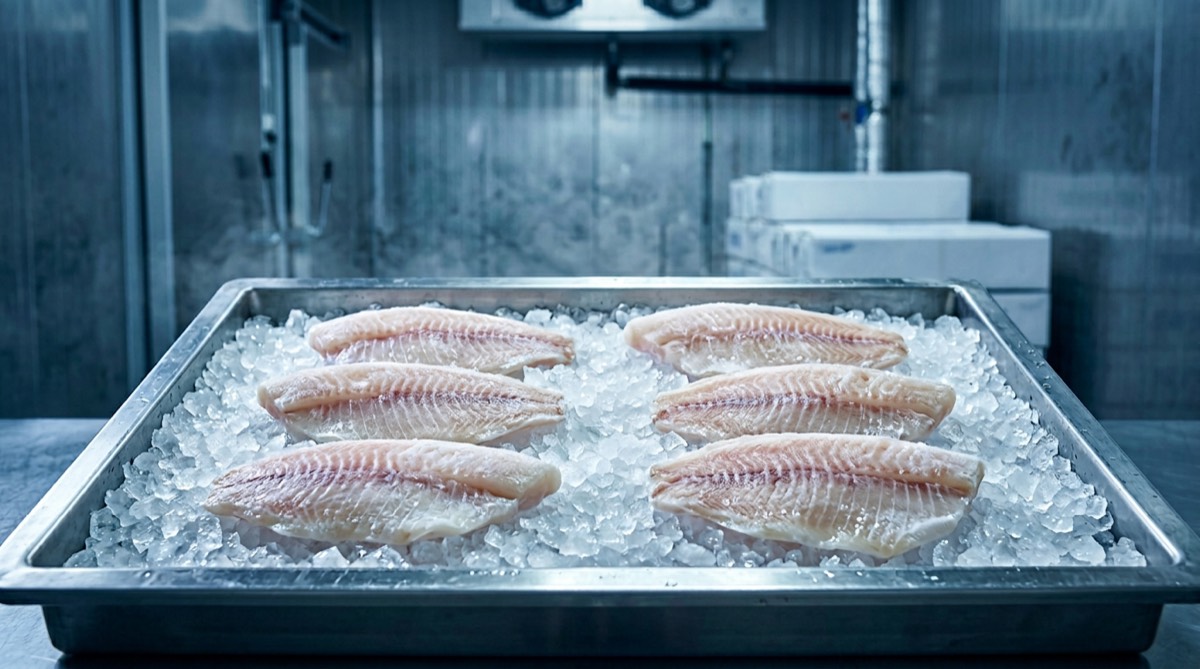
Seafood Import
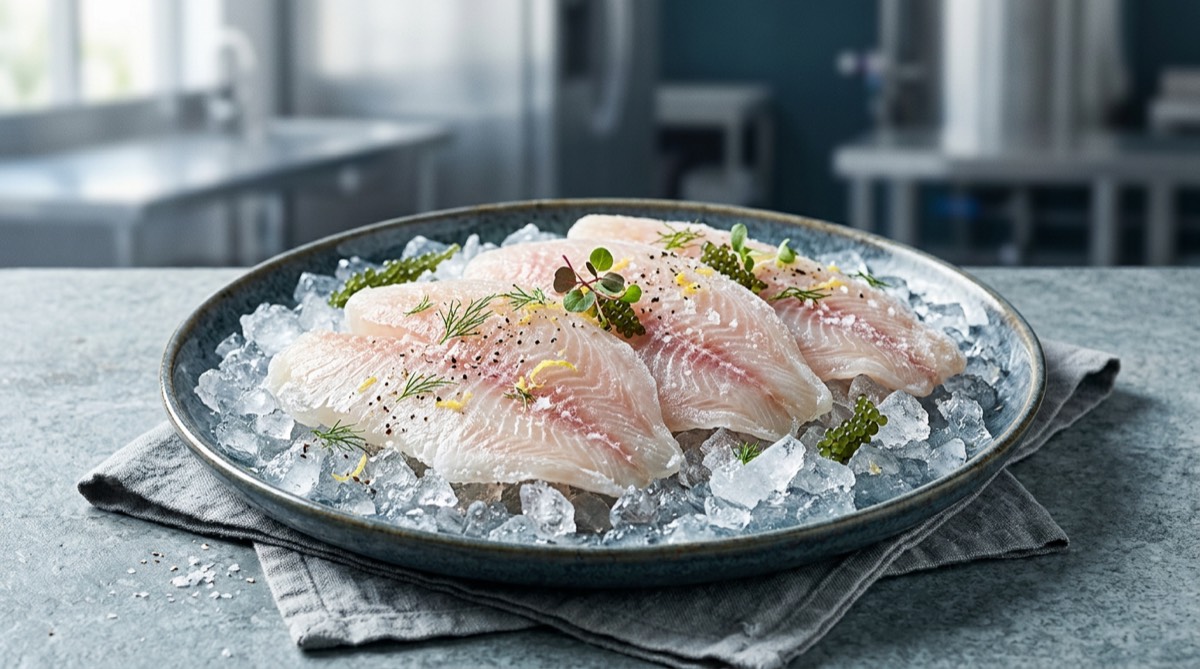
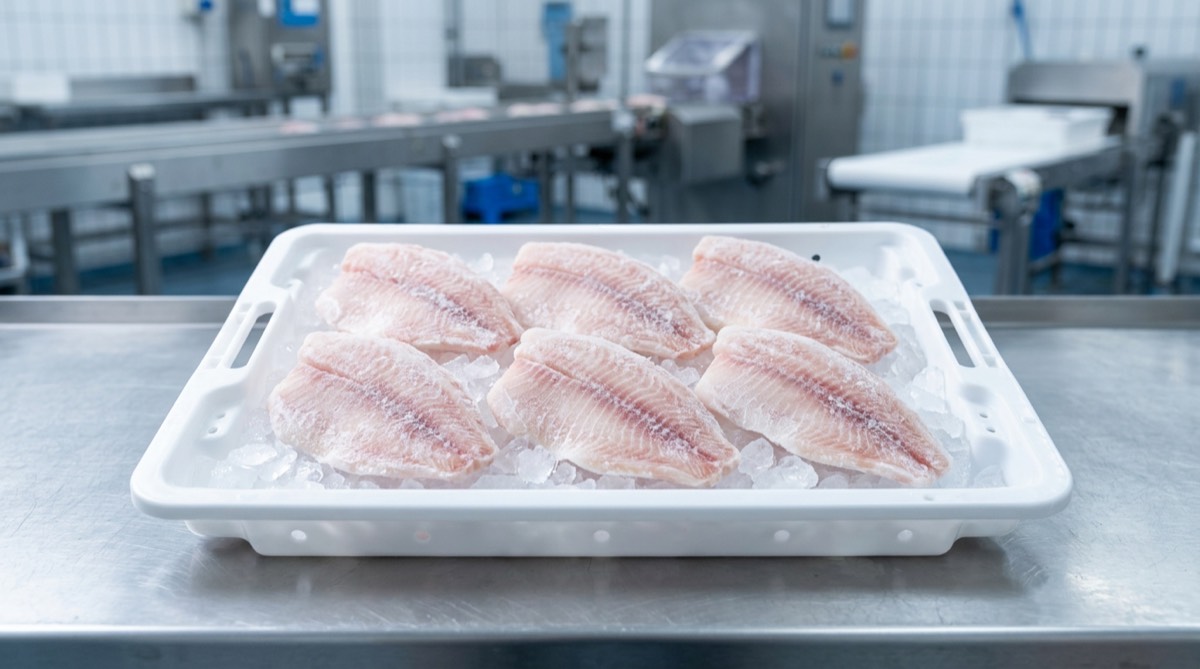
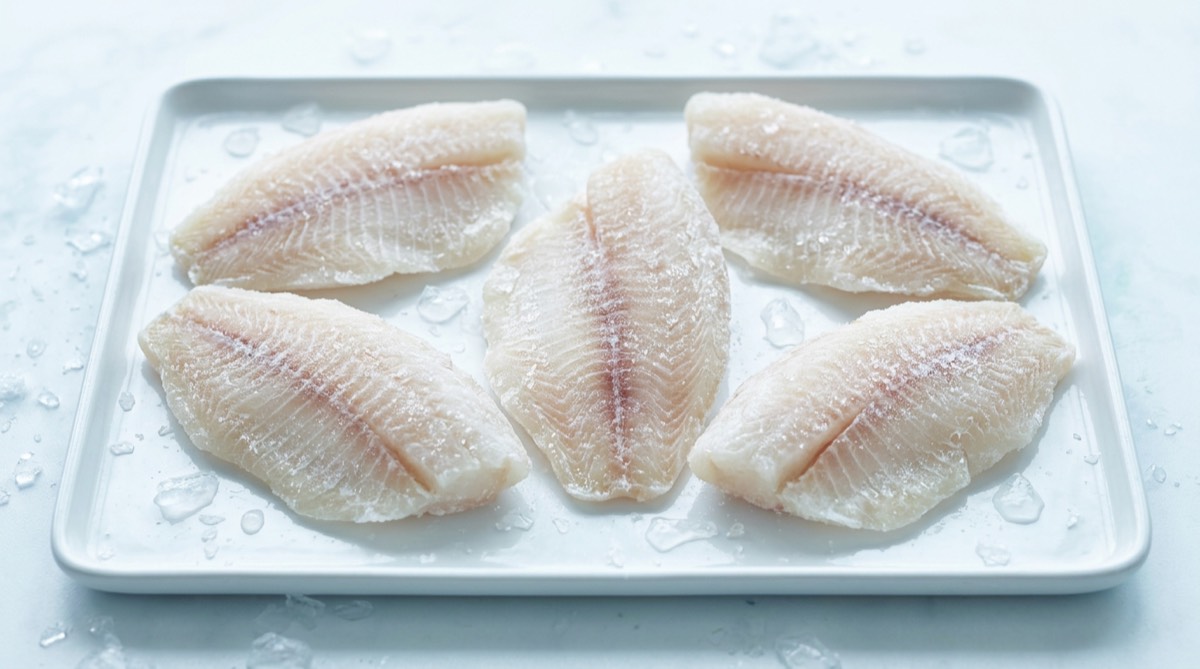
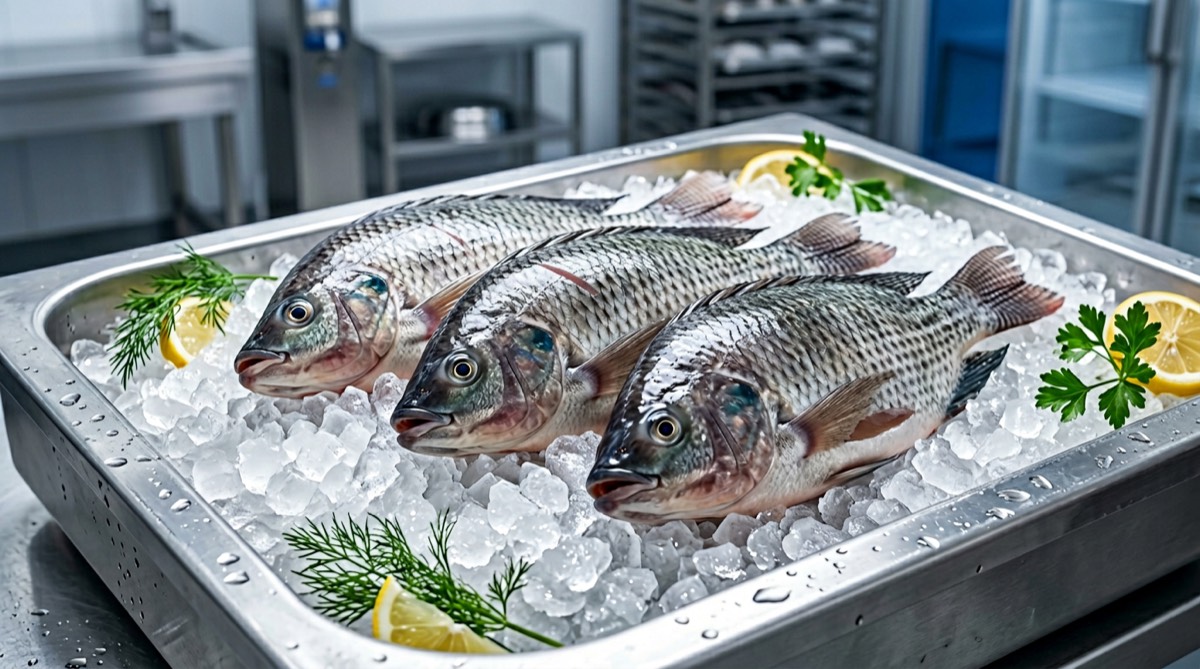
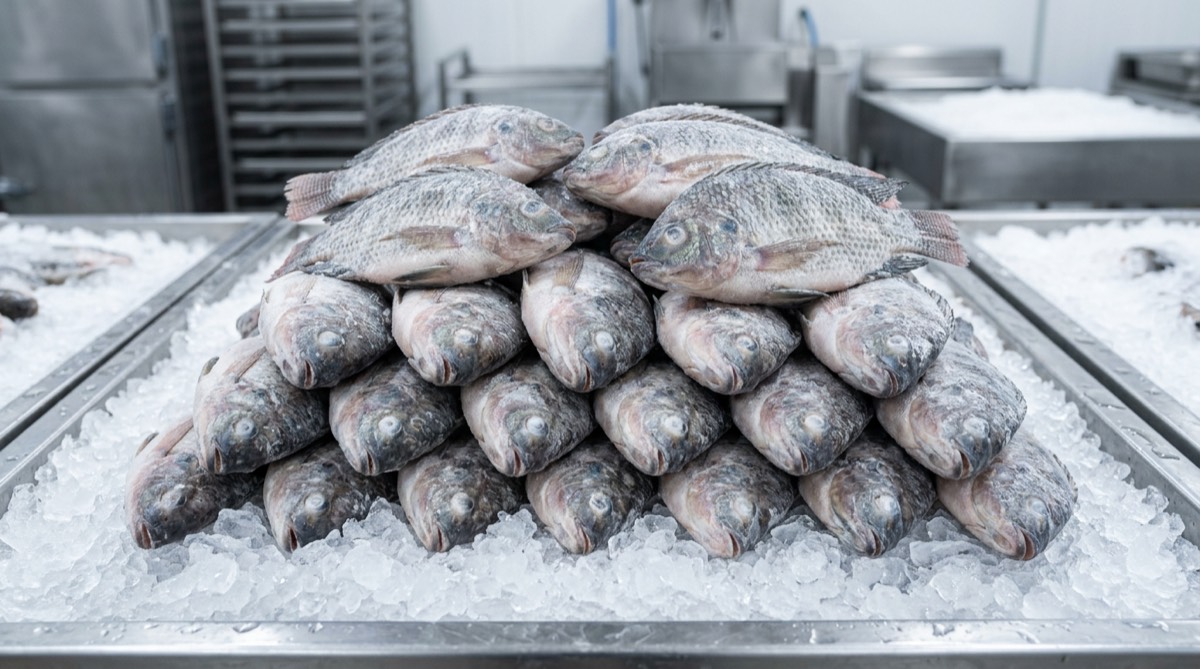
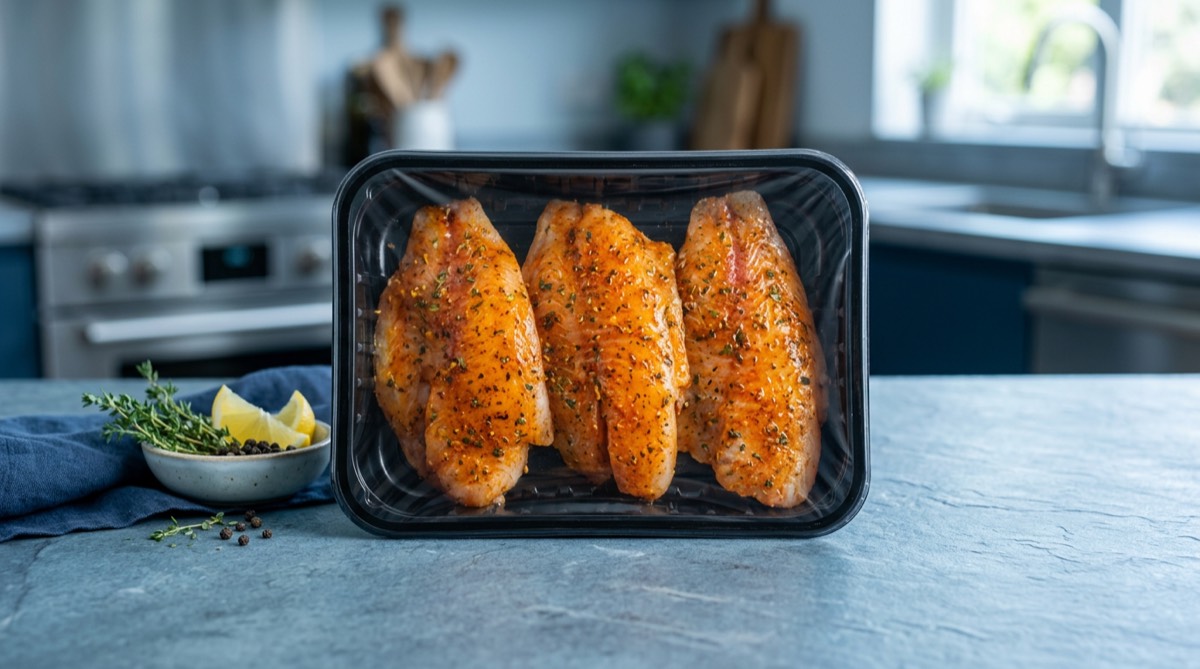
IPF is committed to supplying high-quality frozen tilapia and delivering dependable service to importers, distributors, and market partners across West Africa.
In recent years, China has exported large volumes of frozen tilapia to African markets, combining affordability with stable quality and earning strong trust from local consumers.
Africa is one of the most important destinations for Chinese tilapia exports, and the Abidjan corridor gives IPF a strong platform to receive, preserve, and distribute imported seafood efficiently across the region.

Seafood import visual selected from IPF’s project image library.
83,000 tons
Frozen tilapia and fillets imported by African countries from China in 2021, equal to 64% of China’s exports in this category.
$38.7M
Value of tilapia exported by China to Côte d’Ivoire in 2021.
$14.7M / $4.8M / $4.0M
Tilapia export value to Burkina Faso, Ghana, and Togo in 2021.
Fish remains a staple food across Africa, yet edible fish demand continues to exceed domestic supply in many markets. Côte d’Ivoire alone records annual demand of about 3.2 million tons, while local output covers only about 1.1 million tons. Ghana shows a similar imbalance, and Senegal has also become increasingly dependent on imports as catches decline.
Frozen tilapia imported from China is widely welcomed in African consumer markets because it is affordable, high quality, and available at scale. This trade not only fills structural supply gaps but also supports the development of the regional edible fish market. With professional cold-chain handling, port access, and distribution capability, IPF is positioned to turn this demand into a stable regional supply system.


From port arrival to cold storage, regional dispatch, and customer support, IPF is building a trusted seafood import gateway for West Africa.
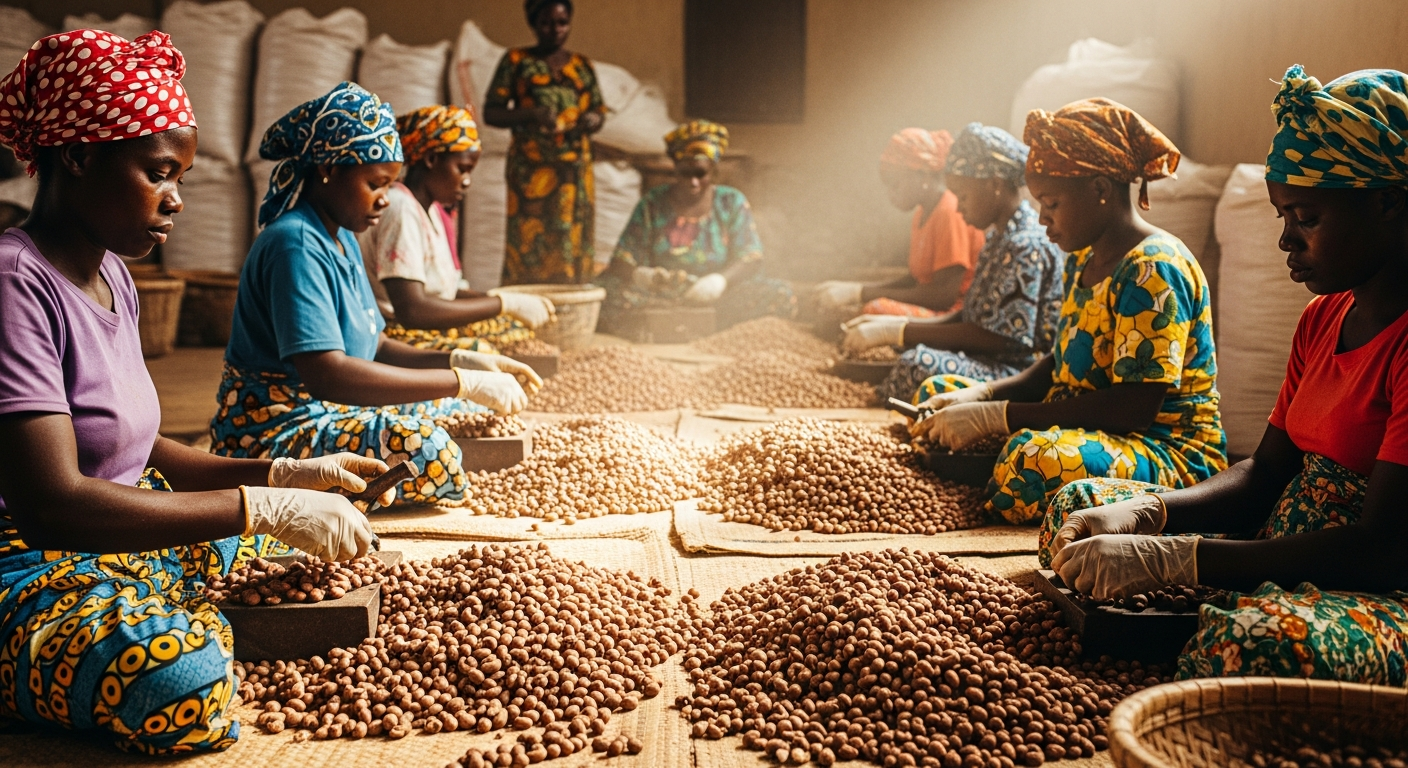
Cashew Export
IPF supports the cashew industry through sourcing, logistics, market access, and industrial upgrading potential, linking West African origin resources to international demand.

Export focus
Origin sourcing, trade execution, and logistics integration for premium African cashew products.
Cashew nuts are one of Côte d’Ivoire’s most important agricultural export products and a major source of export revenue, ranking just behind cotton. The country produces at scale and remains one of the leading cashew origin markets in West Africa.
West Africa accounts for roughly 45% of global cashew production, with Côte d’Ivoire contributing nearly half of that volume. This upstream concentration creates a strong foundation for efficient procurement and export execution.
350 CFA/kg
Reference price for raw cashew nuts in 2022, up 50 CFA francs from the previous quarter.
200,000 jobs
Estimated number of people employed by cashew cultivation in Côte d’Ivoire.
1,000,000 tons
Expected harvest scale for the country’s cashew season.
Côte d’Ivoire stands alongside Nigeria, Guinea-Bissau, and Ghana as one of West Africa’s major cashew-producing countries. Cashew remains a strategic export crop and an important source of rural employment and trade revenue. For operators with strong logistics capability, this concentration of supply creates clear advantages in scale, procurement efficiency, and shipment reliability.
Although Africa is one of the world’s largest cashew-producing regions, its processing capacity remains limited. By contrast, South Asia, especially India, Vietnam, and Cambodia, accounts for roughly 90% of global processing capacity. As a result, much of Africa’s raw cashew output still leaves the continent for deeper processing before re-entering global markets. In Côte d’Ivoire, foreign buyers have historically acquired about 80% of raw output, leaving only a small share for local processing. Pandemic-related disruption exposed the fragility of that model, reinforcing the need for price stability, stronger supply chains, and greater local value creation. This is where IPF can create long-term value through integrated logistics and export execution.
By linking origin supply, logistics infrastructure, and international market access, IPF is positioned to strengthen the cashew export chain and support the next stage of value creation in Côte d’Ivoire.
About Us
IPF Commercial and Logistics Park is strategically located near the Port of Abidjan, the largest international port in West Africa, and occupies a 12-hectare site built for integrated industrial logistics.
The park includes two low-temperature cold stores, a 1,000 m2 fast-freezing production line, three 5,000 m2 logistics warehouses, and a 1,300 m2 office building.
With annual processing and storage capacity reaching 120,000 tons of frozen products, IPF is well positioned to serve processing plants, commercial logistics operators, and warehousing-intensive businesses.
Located at a maritime gateway for West and Central African trade flows.
Built for large-scale frozen product handling, storage, and processing.
Brings freezing, storage, warehousing, and operating support together on one site.
Core business area
IPF offers an end-to-end cold-chain platform for seafood products, covering aquaculture, processing, rapid freezing, storage, and distribution. Leveraging the Port of Abidjan, the park supports supply into more than a dozen neighboring markets and is equipped to import seafood from China while preserving freshness and quality through advanced cold-chain management.
Core business area
Situated in one of Africa’s most resource-rich cashew regions, IPF integrates procurement, processing, and logistics into an efficient export chain. Its location advantage and modern logistics infrastructure allow premium African cashews to move quickly and reliably into international markets.
IPF Commercial and Logistics Park is equipped with low-temperature cold stores to maintain seafood quality throughout the supply chain. Its fast-freezing line handles high volumes efficiently, while large logistics warehouses provide ample room for storage and distribution. Modern office facilities support smooth daily operations and management.
Beyond end-to-end cold-chain services for seafood, IPF leverages the Port of Abidjan and related warehousing capabilities to move imported goods from China into major African markets. By integrating procurement, processing, and logistics, IPF builds a resilient supply chain linking raw materials to end consumers.
IPF is committed to long-term partnerships with food processors, logistics providers, and international trade partners. Through strong regional resources and advanced facilities, the park delivers one-stop solutions that support business growth and market expansion across Africa.
IPF Commercial and Logistics Park aims to become one of West Africa’s leading commercial and logistics hubs by continuously upgrading service quality and technical capability. The park is committed to strengthening seafood importation and cashew exportation while serving as a strategic bridge between Africa and global markets.
Contact Us
Share your business needs and our team will follow up using the contact details you provide.